



How can we learn about the language of dogs?
Section
#AllAboutDogsAndCats
Date
December 29th, 2022
Turid Rugaas, a world-renowned educator and dog trainer, observed in dogs a type of sign language in which they convey calm; a language that would be worth learning to better understand what dogs want to tell us through their movements, gestures and sounds as well as their ways of solving conflicts among them.
Turid decided to share her experience in her book “On Talking Terms with Dogs: Calming Signals” for those interested in getting to know their dogs better, and for caregivers to have a better understanding of what their dogs are feeling and what they need from them.
Turid’s journey and story is charming and captivating. Following her schooling in traditional dog training practices, it was from her dog Vesla, that she best learned how to work with dogs, using methods absent of yelling or pulling aggressively on their leashes to give them instructions
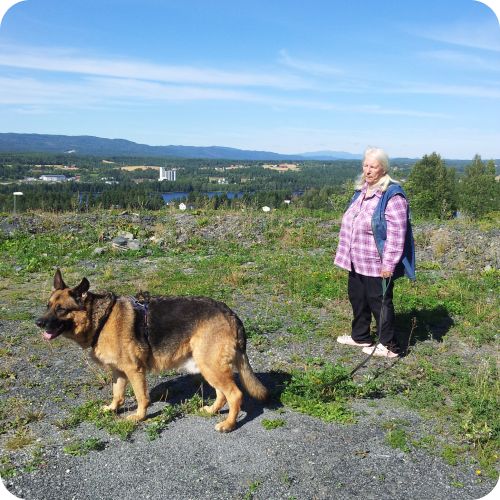
For Turid, the best way to teach and train dogs is to use the same calming signals that they use when communicating with other dogs, and of course, with us.
Ms. Rugaas also writes that she has lived with animals since she was a child, including dogs and horses, and that it was always her goal to do more for them. In 1984, she opened the Hagan Hundeskole school, in a mountainous region of Norway, to train dogs with difficulties getting along with other dogs, while creating a shelter for homeless dogs and implementing a program to educate dog caregivers.
In her book, Turid recounts that Vesla, a female Elkhound dog, arrived at her farm with high stress levels, and difficulty adapting to life with other dogs. Seeing Vesla not doing well, she tried to relocate her. Unable to find another home for Vesla, Turid decided to keep her.
As days passed by Turid observed the way Vesla communicated with the other dogs through body movements and sounds that allowed her to establish peaceful bonds with them. The most surprising part for Turid during the observational process was discovering thirty signals that the dogs recognized between them that conveyed acceptance and calm.
Turid Rugaas explains that the language all dogs possess is both innate and universal no matter their breed, age, or gender. However, she also states the language can temporarily be lost and forgotten if it is not stimulated from positive experiences of coexistence.
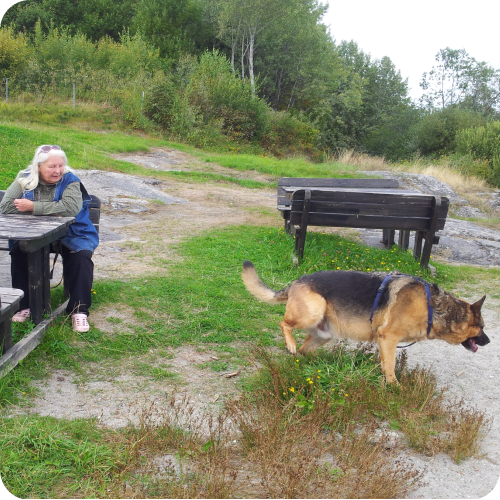
Turid Rugaas explains that the language all dogs have is both innate and universal, regardless of breed, age, or gender. However, she also states the language can temporarily be lost and forgotten if it is not stimulated from positive experiences of coexistence.
She explains that when Vesla arrived at the farm her perceptual field was blocked, but after being in a free environment next to other dogs it was repaired.
Turid, founding member and President of the Organization of Dog Trainers of Europe, has traveled the world sharing her method to educate and train dogs under the terms of their own language.
Dog’s Calming Signals Observed by Turid Rugaas:
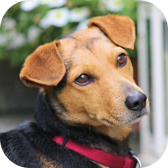 Turning their head calms those who approach suddenly, menacingly or growling.
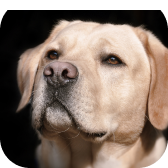 Squinting while facing another dog helps them feel more comfortable with direct eye contact.
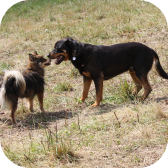 Standing still when another dog approaches to smell and recognize them, gives the approaching dog assurance that the other dog does not feel threatened.
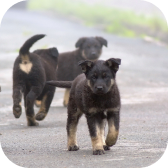 Walking very slowly creates a calming effect among dogs or humans and dogs.
 Arching their back is a way for dogs to calm down and communicate feeling playful.
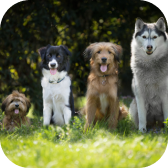 When inviting other dogs or people to be next to a dog, everybody sitting down will calm the dogs´s insecurities around strangers.
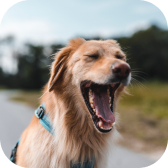 A dog yawns when it is anxious, for example when being at the vet, perceiving tension in the family, or when a child runs to hug it.
What do you think about this article?
 0
0
 0
0
 0
0
Leave us a comment
How can we learn about the language of dogs?
#AllAboutDogsAndCats
What is it like to be a dog?
#AllAboutDogsAndCats
How to understand cats?
#AllAboutDogsAndCats
What do we know about the origin of dogs?
#AllAboutDogsAndCats
What do we know about the domestication of cats?
#AllAboutDogsAndCats
What do we know about the domestication of cats?
#AllAboutDogsAndCats
What is it like to be a dog?
#AllAboutDogsAndCats
What do we know about the origin of dogs?
#AllAboutDogsAndCats
How can we learn about the language of dogs?
#AllAboutDogsAndCats
How to understand cats?
#AllAboutDogsAndCats
Section
#AllAboutDogsAndCats
Date
December 29th, 2022
Turid Rugaas, a world-renowned educator and dog trainer, observed in dogs a type of sign language in which they convey calm; a language that would be worth learning to better understand what dogs want to tell us through their movements, gestures and sounds as well as their ways of solving conflicts among them.
Turid decided to share her experience in her book “On Talking Terms with Dogs: Calming Signals” for those interested in getting to know their dogs better, and for caregivers to have a better understanding of what their dogs are feeling and what they need from them.
Turid’s journey and story is charming and captivating. Following her schooling in traditional dog training practices, it was from her dog Vesla, that she best learned how to work with dogs, using methods absent of yelling or pulling aggressively on their leashes to give them instructions
For Turid, the best way to teach and train dogs is to use the same calming signals that they use when communicating with other dogs, and of course, with us.
Ms. Rugaas also writes that she has lived with animals since she was a child, including dogs and horses, and that it was always her goal to do more for them. In 1984, she opened the Hagan Hundeskole school, in a mountainous region of Norway, to train dogs with difficulties getting along with other dogs, while creating a shelter for homeless dogs and implementing a program to educate dog caregivers.
In her book, Turid recounts that Vesla, a female Elkhound dog, arrived at her farm with high stress levels, and difficulty adapting to life with other dogs. Seeing Vesla not doing well, she tried to relocate her. Unable to find another home for Vesla, Turid decided to keep her.
As days passed by Turid observed the way Vesla communicated with the other dogs through body movements and sounds that allowed her to establish peaceful bonds with them. The most surprising part for Turid during the observational process was discovering thirty signals that the dogs recognized between them that conveyed acceptance and calm.
Turid Rugaas explains that the language all dogs possess is both innate and universal no matter their breed, age, or gender. However, she also states the language can temporarily be lost and forgotten if it is not stimulated from positive experiences of coexistence.
Turid Rugaas explains that the language all dogs have is both innate and universal, regardless of breed, age, or gender. However, she also states the language can temporarily be lost and forgotten if it is not stimulated from positive experiences of coexistence.
She explains that when Vesla arrived at the farm her perceptual field was blocked, but after being in a free environment next to other dogs it was repaired.
Turid, founding member and President of the Organization of Dog Trainers of Europe, has traveled the world sharing her method to educate and train dogs under the terms of their own language.
Dog’s Calming Signals Observed by Turid Rugaas:
What do you think about this article?
Leave us a comment
How can we learn about the language of dogs?
#AllAboutDogsAndCats
What is it like to be a dog?
#AllAboutDogsAndCats
How to understand cats?
#AllAboutDogsAndCats
What do we know about the origin of dogs?
#AllAboutDogsAndCats
What do we know about the domestication of cats?
#AllAboutDogsAndCats
What do we know about the domestication of cats?
#AllAboutDogsAndCats
What is it like to be a dog?
#AllAboutDogsAndCats
What do we know about the origin of dogs?
#AllAboutDogsAndCats
How can we learn about the language of dogs?
#AllAboutDogsAndCats
How to understand cats?
#AllAboutDogsAndCats


